

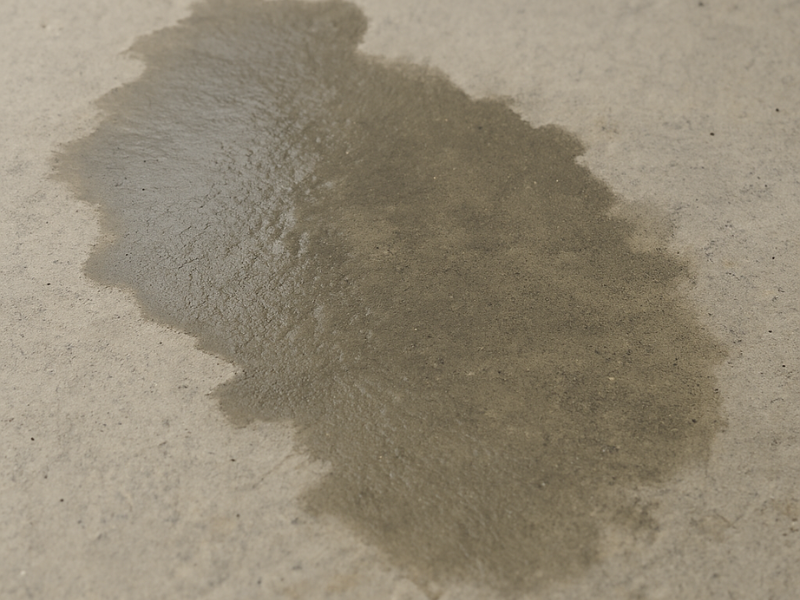


When it comes to installing epoxy flooring, most people focus on the color, finish, and durability. But underneath every successful epoxy system lies one critical—and often invisible—factor: moisture in the concrete. If left unchecked, trapped vapor can cause bubbling, peeling, or total coating failure, even with the best materials.
At Dynasty Epoxy, we understand that a flawless floor starts with the right foundation. That’s why moisture testing and mitigation are essential steps in our installation process. In this post, we’ll explain how concrete moisture affects epoxy, what signs to watch for, and how to avoid expensive do-overs.
Why Moisture Matters in Concrete Floors
Concrete is a porous material that naturally retains and absorbs moisture. Even in a seemingly dry environment, vapor can migrate up through the slab from the ground beneath. When this moisture becomes trapped under an epoxy coating, it creates hydrostatic pressure that causes bubbling, blistering, and delamination.
Common Moisture-Related Epoxy Failures:
Bubbling or blistering on the surface
Peeling or lifting epoxy layers
Mildew or mold growth beneath the coating
Cloudy or discolored finish
Total coating failure within months
What Causes Moisture Problems in Concrete?
Several factors contribute to excess moisture in slabs:
New Construction
Fresh concrete can take 30–90 days (or more) to fully dry and cure.Poor Drainage or Site Conditions
Water from the surrounding soil can wick into the slab if there’s no proper vapor barrier.Seasonal Humidity & Temperature Swings
Changes in air moisture can affect how water behaves inside your concrete.No Vapor Barrier Beneath the Slab
Older buildings often lack the protective membranes modern construction uses to prevent vapor migration.
How Dynasty Epoxy Detects Moisture Before It Becomes a Problem
We never guess when it comes to moisture. Every project includes professional moisture testing to determine whether a slab is safe to coat or if additional steps are needed.
Our Moisture Evaluation Includes:
Calcium Chloride Testing – Measures the rate of moisture vapor emission from the concrete surface.
Tramex Moisture Meters – Non-invasive testing tools that give real-time readings.
Visual and Tactile Inspection – Identifying signs of condensation, dampness, or alkalinity.
If moisture levels exceed safe limits, we don’t just walk away—we bring in the right solutions to move forward confidently.
How to Prevent Epoxy Floor Failure Due to Moisture
Moisture issues don’t mean you have to abandon your project—they just require a smarter system.
Our Moisture-Control Strategies Include:
Moisture Vapor Barrier Primers
We apply moisture-tolerant epoxy primers designed to withstand high MVER (moisture vapor emission rate) levels and block water transmission.Proper Curing Time for New Concrete
We advise clients on when new slabs are ready for coating to avoid early application risks.Crack and Joint Sealing
We seal all open joints and cracks to prevent moisture intrusion from weak points.Environmental Controls
When necessary, we adjust environmental conditions like airflow and humidity to support a safe install.
Don’t Skip This Step—It’s the Key to Long-Term Performance
Moisture might not be visible, but its impact is. The number one reason DIY epoxy kits and rushed installs fail is because moisture wasn’t properly tested or addressed. Dynasty Epoxy’s commitment to preparation ensures your floor will last, perform, and look great for the long haul.
Protect Your Floor—and Your Investment
You deserve a floor that won’t bubble, crack, or peel months after installation. Our proactive moisture testing and vapor control systems ensure epoxy floor coatings that truly last—backed by expert prep, premium materials, and a zero-shortcuts mindset.
Schedule a Moisture-Safe Epoxy Consultation
If you’ve got a garage, basement, or commercial space and want peace of mind before installing your floor, contact Dynasty Epoxy today. We’ll test, evaluate, and install a moisture-resistant epoxy system that’s built to endure—no matter what’s happening beneath the surface.